Short answer up front: yes, Americans, British, Canadians, and most Europeans can travel to Russia in 2026. There's no entry ban from Russia on Western tourists. What's changed is the route — most travelers connect via Istanbul, Dubai, Doha, or Belgrade rather than flying direct — and the visa process, which varies by citizenship. This guide walks through everything: who can go, how to visit, what tours cost, where it's safe, and which itinerary fits your trip.
A Russia tour in 2026 can mean a lot of different things. A 7-day whirlwind through Moscow and St. Petersburg. A 14-day Trans-Siberian Railway odyssey from Moscow to Vladivostok. A winter package timed to the Christmas markets and New Year illuminations. Even a 3-day city break focused on museums and ballet. The country is enormous — 11 time zones — and the right tour depends entirely on what kind of traveler you are.
Here's the thing most guides miss: you don't actually need a tour to visit the country. E-visas are straightforward for the 64 eligible nationalities, public transport is excellent, and English signage has improved dramatically in the last few years. But a tour makes sense in three specific situations: you want the logistics handled, you want deeper access (ballet tickets, private Kremlin tours, insider restaurants), or you're going somewhere outside the capitals where local guides genuinely help. This guide covers all three.
1. Can Americans Travel to Russia in 2026?
Yes. US citizens can legally enter Russia as tourists in 2026. Russia has not banned American or European visitors, and the US State Department issues a Level 4 "Do Not Travel" advisory but does not legally prohibit travel. Thousands of Americans visited in 2024 and 2025; the trend is steady in 2026.
What's different from pre-2022 is mostly practical:
- No direct US–Russia flights. You connect through Istanbul (Turkish Airlines), Dubai (Emirates), Doha (Qatar Airways), or Belgrade (Air Serbia). Total flight time New York to Moscow is 13–16 hours with one stop.
- US payment cards don't work. Visa and Mastercard issued by US banks have been blocked inside Russia since 2022. Bring USD or EUR cash to exchange, or get a UnionPay card.
- Visa, not e-visa. The US is not on the 64-country e-visa list. Americans need a standard tourist visa with an invitation letter from a tour operator or hotel. Processing takes 4–10 business days.
- Notify your bank. Even if cards don't work for purchases, you may want them as a backup for emergencies abroad. Tell your bank you're traveling.
| Citizenship | Can visit Russia? | Visa type | Processing |
|---|---|---|---|
| USA | Yes | Tourist visa + invitation | 4-10 days |
| UK | Yes | Tourist visa + invitation | 4-10 days |
| Canada | Yes | Tourist visa + invitation | 4-10 days |
| Australia | Yes | Tourist visa + invitation | 4-10 days |
| EU citizens | Yes | Tourist visa + invitation | 4-14 days |
| India, China, UAE, Brazil, Mexico | Yes | E-visa online | 4-6 days |
| Israel, Argentina, Vietnam, Turkey | Yes | E-visa online | 4-6 days |
Check the full list of e-visa eligible countries or take our eligibility quiz in 30 seconds. If you need an invitation letter for the standard visa, our service can issue one.
2. Is Russia Safe for Tourists Right Now?
For the regions where tourists actually go — yes, Russia is safe in 2026. Moscow, Saint Petersburg, Kazan, Sochi, the Golden Ring towns, and the Trans-Siberian route up to Vladivostok all operate normally. Restaurants are open, museums run regular hours, the Bolshoi has its full season, hotels are at typical occupancy. Violent crime against foreign tourists is very rare and central districts have heavy police presence.
What you should avoid:
- Regions bordering Ukraine. Belgorod, Bryansk, Kursk, Voronezh, and Rostov oblasts have ongoing security incidents. No mainstream tour itinerary includes these regions.
- Border zones with Estonia, Latvia, Finland. Crossings are restricted; not a tourist area regardless.
- The Caucasus republics — Chechnya, Dagestan, Ingushetia. Stick to Sochi and the Black Sea coast if you want southern Russia.
- Crimea. Disputed territory. US and EU citizens visiting Crimea without Ukrainian authorization can face legal issues at home.
Practical safety tips that apply anywhere:
- Keep digital copies of your passport and visa on phone and cloud storage.
- Register with your embassy if your country has one operational in Russia (most do).
- Have a backup contact — tell someone at home your itinerary and check in every few days.
- Avoid political discussions in public, especially in Russian to strangers. This isn't about danger, just basic prudence.
- Get travel insurance that explicitly covers Russia. Many policies have carve-outs since 2022; read the fine print.
For up-to-date conditions before booking, check your government's travel advisory and recent TripAdvisor or Reddit r/travel threads dated within the last 30 days.
3. Most Popular Tour Types (and Who They're For)
Nine out of ten first-time visitors go on one of these four tour types. Here's the honest breakdown:
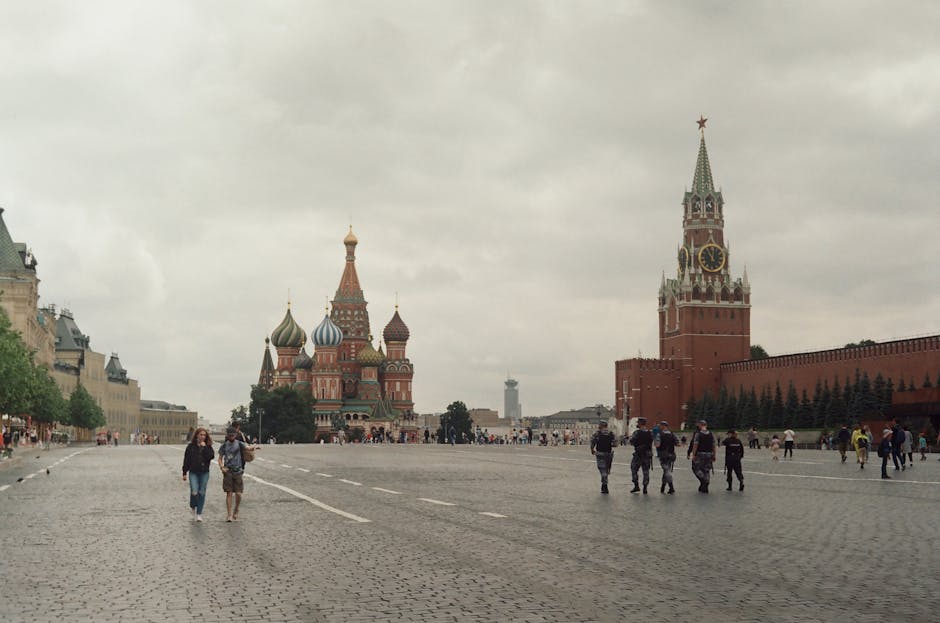
Classic Moscow + St. Petersburg (7-10 days)
The default choice — and for good reason. You hit Red Square, the Kremlin, the Bolshoi, then take the high-speed Sapsan train (4 hours) up to St. Petersburg for the Hermitage, Peterhof, and the Church on Spilled Blood. Most classic packages include both cities roughly 50/50. Cost: $1200-2500 per person for mid-range, 4-star hotels, English-speaking guides, and all major sights.
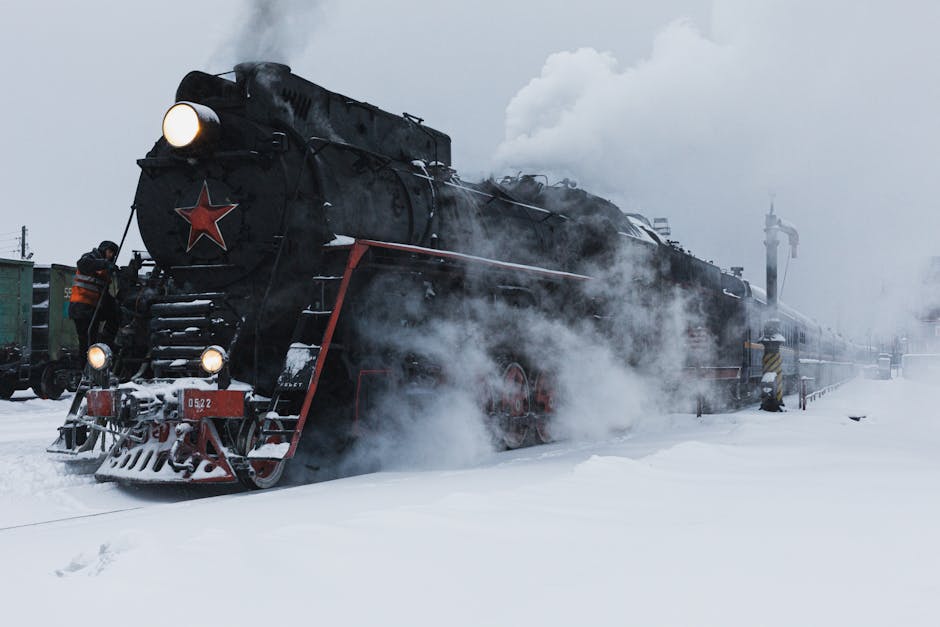
Trans-Siberian Railway (14-21 days)
For bucket-list travelers. The full route runs 9288 km from Moscow to Vladivostok, crossing 8 time zones in roughly a week of riding time (you add stops). Most tours break it into stages: Moscow → Yekaterinburg → Irkutsk → Lake Baikal → Ulan Bator (optional detour to Mongolia) → Vladivostok or Beijing. Expect $3000-6000 per person depending on train class.
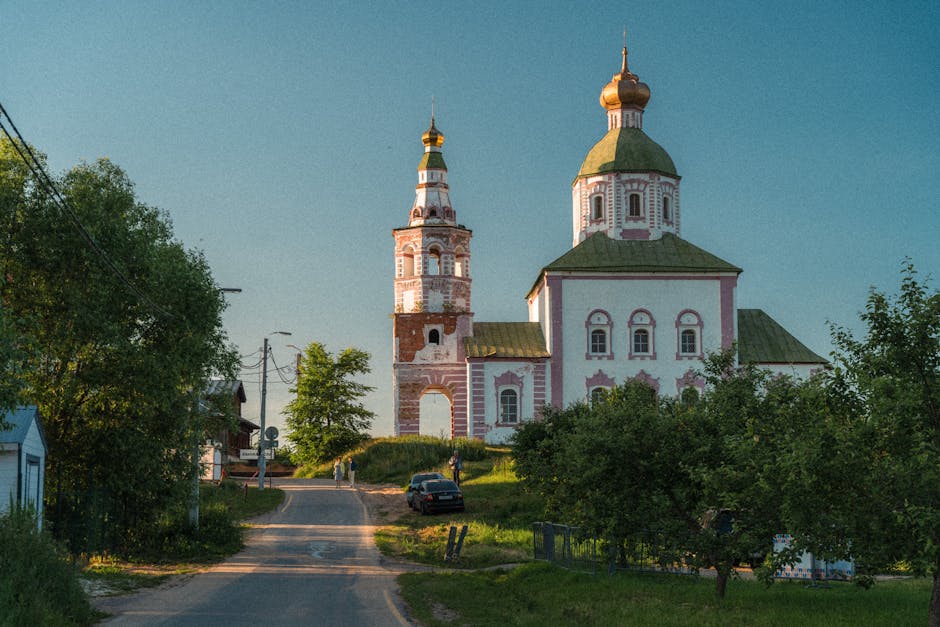
Golden Ring (3-5 days)
The Golden Ring is a cluster of medieval towns northeast of Moscow — Sergiev Posad, Vladimir, Suzdal, Yaroslavl, Kostroma. Think onion-domed monasteries, wooden architecture, and a slower pace. Often done as a side-trip from Moscow. Cost: $500-900 per person for the short version.
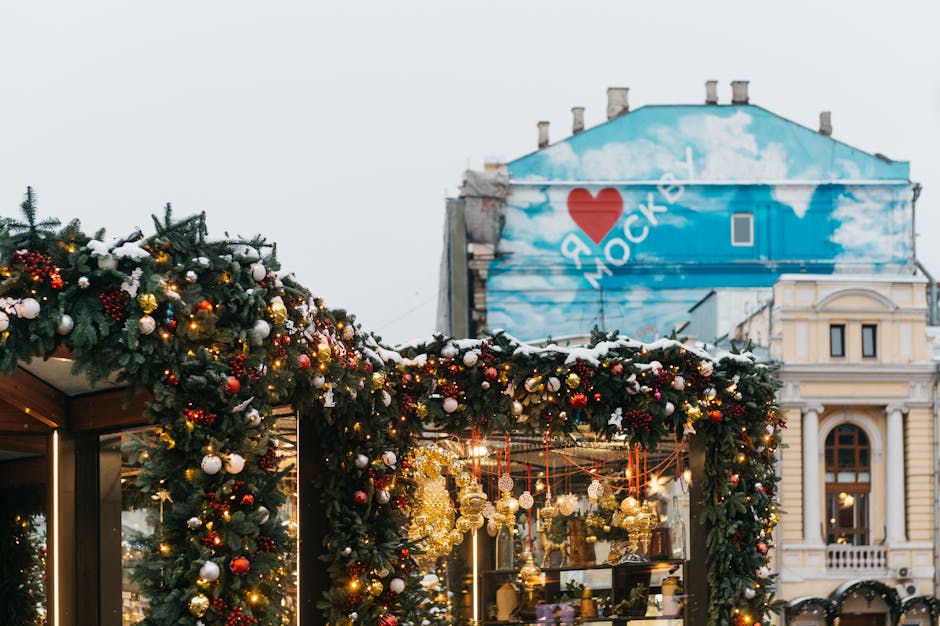
Winter Packages (5-8 days)
Russia really does winter better than most destinations. Christmas markets open mid-December, ice skating rinks appear in every park, the Bolshoi runs holiday ballet schedules, and both capitals light up with decorations. Most packages time with the Orthodox Christmas (January 7) rather than Western Christmas. Cost: same as classic but adds 10-20% around New Year.
Luxury and Private Tours
5-star hotels (the Four Seasons Moscow, the Hotel Astoria in St. Petersburg), private guides, after-hours Hermitage access, helicopter rides over the Kremlin. Budget $4000-8000 per person for 7-10 days. Worth it if you're going once and want zero logistics.
4. Suggested Itineraries (3, 7, 14 Days)
The 3-Day Moscow Blitz
- Day 1: Morning at Red Square and the Kremlin. Lunch at GUM. Afternoon at the Tretyakov Gallery. Evening: Bolshoi Theatre ticket (book 2 months out).
- Day 2: Metro tour (hit Komsomolskaya, Mayakovskaya, Ploshchad Revolyutsii). Walk the Old Arbat. Zaryadye Park at sunset.
- Day 3: Day trip to Sergiev Posad (1.5h by train) or the Kolomenskoye estate. Evening river cruise.
The 7-Day Classic (Moscow + St. Petersburg)
- Days 1-3: Moscow as above.
- Day 4: Morning Sapsan train to St. Petersburg (4h, ~$50 second class). Afternoon walk along Nevsky Prospekt.
- Day 5: Full day at the Hermitage. Evening at Mariinsky Theatre.
- Day 6: Peterhof palace and fountains (30 min by hydrofoil from the city center). Evening canal cruise.
- Day 7: Church on Spilled Blood, Peter and Paul Fortress, departure.
The 14-Day Deep Dive
Covers both capitals plus the Golden Ring (3 days) and optional extensions: Kazan on the Volga (adds 2 days), Sochi on the Black Sea (adds 3 days), or the first leg of the Trans-Siberian to Yekaterinburg. This is the itinerary for travelers who want more than just photo ops.
5. What Does a Russia Tour Actually Cost in 2026?
| Tour type | Duration | Budget ($/person) | Mid-range ($/person) | Luxury ($/person) |
|---|---|---|---|---|
| Moscow only | 3-4 days | $400-600 | $800-1200 | $2000+ |
| Moscow + SPb classic | 7-10 days | $700-1200 | $1500-2500 | $4000+ |
| Golden Ring extension | +3-5 days | +$300 | +$600 | +$1500 |
| Trans-Siberian full | 14-21 days | $2500-3500 | $4000-6000 | $8000+ |
| Winter package | 7 days | $900-1400 | $1800-2800 | $4500+ |
What's usually included: hotel, breakfast, guided tours, all transfers, train tickets between cities, entrance fees to listed attractions, 24/7 emergency support. Usually not included: flights to/from the country, visa fees, lunches and dinners (except welcome dinner), personal spending, tips.
Budget tip: If you're comfortable with public transport and the language barrier, booking independently cuts costs 30-40%. A 7-day Moscow+SPb self-guided trip runs about $500-800 for a budget traveler. The tour premium buys you English-speaking guides and logistics — that's it.
6. Best Time to Go
| Season | Months | Weather | Crowds | Why go |
|---|---|---|---|---|
| Late spring | May | 15-22C | Low | Parks in bloom, Victory Day parade (May 9), fewer tourists |
| Summer | Jun-Aug | 20-28C | Peak | White Nights in SPb (mid-June), outdoor festivals, everything open late |
| Early autumn | Sep | 10-18C | Medium | Golden birches, perfect photo light, reasonable prices |
| Winter | Dec-Jan | -10 to -20C | High around NY | Christmas markets, ice skating, illuminations, ballet season |
| Late winter | Feb-Mar | -5 to +5C | Low | Maslenitsa pancake festival, cheapest prices, skiing |
Avoid: early November (cold, grey, no snow yet) and late March (mud, everything half-frozen). These are shoulder months with the worst weather and no seasonal advantages.
7. How to Visit Russia as a US/UK/EU Citizen — Step by Step
If you're an American, British, Canadian, Australian, or EU citizen who's never been to Russia, here's the exact sequence for 2026:
- Decide your dates first. Russian tourist visas are tied to specific entry/exit dates and are usually issued for the exact duration of your itinerary plus a small buffer. Don't apply with vague dates — pick your trip first.
- Get an invitation letter (priglashenie). Required for the standard tourist visa. Issued by a Russian tour operator, hotel, or licensed travel agency. Cost: $30–80 from independent providers, often included with full tour packages. Takes 1–3 business days. Our service issues invitations alongside the visa application.
- Apply for the visa. Submit at the nearest Russian Visa Application Centre (VFS Global or equivalent). Required: passport with 6+ months validity, completed online form, recent photo, invitation letter, insurance covering Russia, proof of accommodation. Processing 4–10 business days for standard, 1–3 days for express.
- Book flights with a stopover. No direct US–Russia or UK–Russia flights. Best routings: Turkish Airlines via Istanbul, Qatar Airways via Doha, Emirates via Dubai, Air Serbia via Belgrade. From New York or Los Angeles, expect $900–1,400 round trip; from London, $400–800.
- Book hotels and trains independently. Use Ostrovok.ru (Russian Booking.com), Yandex.Travel, or directly via your tour operator. For trains between cities, the official RZD website accepts international cards from some non-Western issuers.
- Arrange money. Bring USD or EUR cash. Plan on $500–1,000 cash for a 7-day trip in addition to pre-paid hotels and tours. Exchange at any major bank inside Russia (better rates than airports). Optionally: get a UnionPay card from China, Kazakhstan, or Uzbekistan before your trip.
- Get travel insurance. Many policies have Russia carve-outs since 2022. Confirm in writing that yours covers Russia. Cost: $50–120 for a 7-day trip.
- On arrival: register your stay. If staying at a hotel, they handle migration registration automatically. If staying in an apartment or with friends, you (or your host) must register at the local migration office within 7 business days.
Doing it yourself feels overwhelming?
The invitation letter, visa form, and migration registration can be done by a service in 24–48 hours for $50–90 total. We handle e-visa applications for 64 eligible countries and standard tourist visas with invitation letters for everyone else. Start your application here → or take the eligibility quiz first.
8. How to Book a Russia Tour (and What to Watch For)
Three ways to book a Russia tour in 2026:
International operators (Intrepid, G Adventures, GeoEx)
Easy booking, English support, credit card payments work normally. Prices run 30-50% above local operators because they mark up. Good for first-timers who want zero friction.
Local operators based in Russia
Better prices, deeper local knowledge, often better guides. Harder to pay (international cards have limited acceptance due to sanctions). Most accept wire transfers, some have workarounds via third-country offices. Examples: Russia Discovery, Alpindustria, Express to Russia. Read recent TripAdvisor reviews before committing.
Build your own tour (DIY)
Book hotels on Ostrovok.ru or Yandex.Travel (Russian equivalents of Booking.com). Trains through the official RZD website. Hire English-speaking local guides for 2-3 hours at specific attractions (GetYourGuide still lists many). This is the cheapest option and surprisingly easy if you're not intimidated by logistics.
Red flags: Operators who won't show a day-by-day itinerary in writing. "All included" packages with vague exclusions. No TripAdvisor or Google presence. Pressure to pay 100% upfront (50% deposit is standard, balance on arrival).
9. Solo Traveler vs Group Tour
Group tours average 12-16 people, cost less per person, and put you on a fixed schedule. You'll meet other travelers — good if that appeals, bad if you hate tour-bus energy. Classic group tours run about $1200-1800 for the 7-day classic.
Private tours — you plus a driver-guide — run $2500-4500 for the same itinerary but give you total flexibility. Sleep in if you want. Skip the museum you're not interested in. Stay longer at the cafe you're loving. Worth it if you're two or more people splitting the cost.
For solo travelers: group tours are actually the better value. Private guiding as a single traveler gets expensive fast. Join a scheduled group for the main cities, then DIY the extensions.
10. Logistics: Flights, Payments, Internet, Language
Visa: Citizens of 64 countries can apply for an e-visa online. Processing up to 6 calendar days. Some tour operators help with invitation letters for traditional visas if your country isn't on the e-visa list. Check eligibility with our quick quiz.
Flights: Direct flights from Europe resumed in 2024 via Turkish Airlines, Air Serbia, Qatar Airways (via Doha), and some Middle Eastern carriers. Expect $400-800 round trip from Western Europe, $900-1400 from the US.
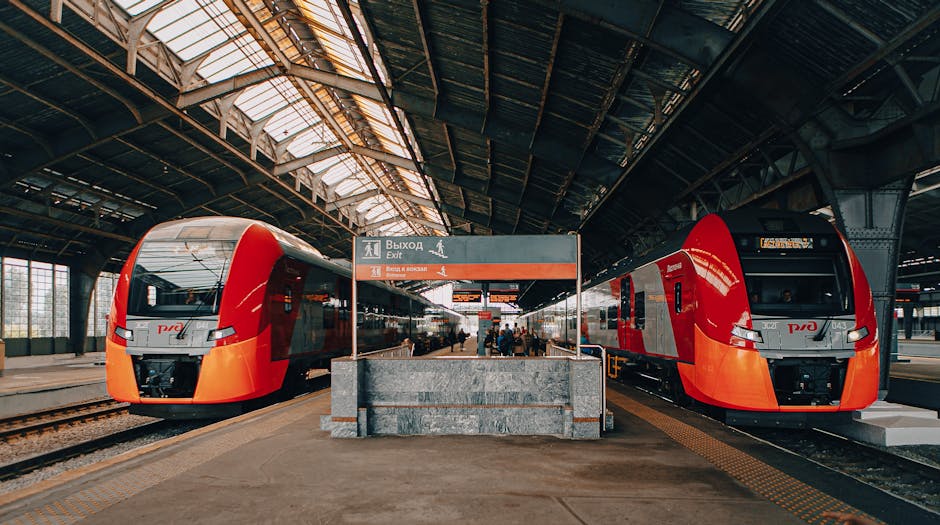
Internal transport: The Sapsan high-speed train between Moscow and St. Petersburg is the gold standard (4 hours, reliable, comfortable, $40-80 second class). Domestic flights via Aeroflot and S7 are cheap for longer distances. Buses exist but aren't worth it for tourists.
Money: Bring cash (USD or EUR exchange easily at banks). International Visa/Mastercard have limited acceptance. UnionPay and Mir cards work everywhere if you can get one. ATMs in the city are fine but exchange rates are better than airport booths.
SIM card: Buy at airport kiosks on arrival. MTS, Beeline, or Megafon; 500 RUB (~$5) for 10GB and a month of 4G/5G. English-speaking staff at all major airport kiosks.
Frequently Asked Questions
Yes. US citizens can legally enter Russia as tourists in 2026. There's no entry ban for Americans. You'll need a tourist visa (not the e-visa — the US isn't on that list) with an invitation letter from a tour operator or hotel. Most travelers connect via Istanbul, Dubai, Doha, or Belgrade since direct flights aren't operating.
Yes for the cities tourists actually visit — Moscow, Saint Petersburg, Kazan, Sochi, the Golden Ring. Violent crime against tourists is very rare and central districts have heavy police presence. Avoid regions bordering Ukraine (Belgorod, Bryansk, Kursk, Voronezh, Rostov) and the Caucasus republics. No mainstream tour goes there anyway.
Yes. Saint Petersburg is fully open to American tourists. The Hermitage, Peterhof, Catherine Palace, the Mariinsky Theatre — all operating normal hours. US citizens need the standard Russian tourist visa with an invitation letter to enter.
Russia is significantly cheaper than Western Europe in 2026. Mid-range meal in Moscow: $10–20. 4-star hotel: $80–150 per night. Museum entry: $10 average. Sapsan train Moscow–Saint Petersburg: $40–80. A self-guided 7-day trip can cost $500–800 for budget travelers including hotels.
Yes, Moscow operates normally for international tourists in 2026. The Kremlin, Red Square, the Bolshoi, museums, restaurants — all open and running regular hours. Check your home country's travel advisory before booking, but no government legally prohibits Americans or EU citizens from traveling to Moscow.
Yes. Citizens of 64 countries can apply for an e-visa online in about 4–6 days. Americans, British, and Canadian citizens are not on the e-visa list and need a standard tourist visa with an invitation letter. Take our 30-second eligibility quiz to check what you need.
Budget tours start at $700 per person for 7 days. Mid-range runs $1,500–2,500. Luxury with 5-star hotels and private guides goes $4,000+ for the same duration. DIY independent travel cuts costs another 30–40%. Flights from the US add $900–1,400 round trip.
May through September for warm weather and the White Nights in Saint Petersburg (mid-June). December and early January for Christmas markets, ballet season, and winter illuminations. Avoid early November and late March — shoulder months with the worst weather.
Both work. Solo travel is straightforward in Moscow and Saint Petersburg — English signs in metro and museums, Yandex.Taxi for transport, English-speaking staff at major hotels. Tours add 30–50% to your cost but bring local guides, ballet tickets, and zero logistics. For first-time visitors not speaking Russian, group tours often offer the best value.
International Visa and Mastercard issued outside Russia don't work due to sanctions. Bring USD or EUR cash for bank exchange — banks give better rates than airport booths. Optionally get a UnionPay card from China, Kazakhstan, or Uzbekistan before your trip. Tour operators usually accept international wire transfers in advance for the package itself.