Quick answer: Russian cuisine is built on soups, dumplings, grains, dark bread, and fermented foods. The national dish is pelmeni. The cheapest way to try a lot of it is a Soviet-style canteen ($3–7 lunch); for a proper restaurant experience, budget $30–60 per person in Moscow or St. Petersburg. Fine dining at places like Twins Garden or White Rabbit runs $150–300 per person. Traditional dishes are mild (not spicy). Orthodox fasting tradition means unexpectedly strong vegetarian options. Modern Moscow gastronomy is world-class — two restaurants are on the World's 50 Best list in 2025.
Most Russian-cuisine guides online are written for home cooks, not travelers. They list recipes for borsch you'll cook in Ohio. This one is for people who are actually going to Russia and want to know what to eat, where to eat it, and how much it costs in 2026. It covers 50 dishes by category, regional variations, the best restaurants in both capitals with current prices, dietary accommodations (vegetarian, halal, gluten-free), and a mini-phrasebook so you can actually order.
1. Quick Glossary: 10 Dishes You'll See First
If you only remember ten words, remember these. You'll see them on menus everywhere.
| Dish | Russian | Pronunciation | What it is |
|---|---|---|---|
| Borsch | Борщ | borshch | Beet soup with cabbage, usually with beef and sour cream |
| Pelmeni | Пельмени | pyelménee | Small boiled meat dumplings, the closest thing to a national dish |
| Blini | Блины | blínee | Thin pancakes — savory with caviar/salmon or sweet with jam |
| Olivier | Оливье | olivé-yeh | Creamy potato-meat salad; the Russian Christmas-table classic |
| Syrniki | Сырники | sýrnikee | Small fried quark-cheese pancakes for breakfast |
| Shashlik | Шашлык | shashlýk | Grilled meat skewers, Caucasus origin but Russian staple |
| Kasha | Каша | kásha | Grain porridge — buckwheat, semolina, oatmeal, or millet |
| Pirozhki | Пирожки | pirózhkee | Small hand pies with meat, cabbage, or fruit |
| Kvas | Квас | kvahss | Fermented bread drink, mildly alcoholic (~0.5%), dark and tangy |
| Medovik | Медовик | myedóvik | Layered honey cake — the most common birthday dessert |
2. Regional Breakdown: It's Not All One Cuisine
Russia is enormous. Food varies dramatically across regions, and most "Russian cuisine" lists you see online are actually a mix of European-Russian, Soviet pan-national, Caucasian, and Central Asian dishes eaten in Russia. Here's the honest breakdown.
Central Russia (Moscow, the Golden Ring)
This is the default. Soups, bread, dairy, root vegetables, beef and pork, rye bread, tea. Anything labeled "traditional Russian" is usually from here.
Northwest (St. Petersburg, Karelia, the White Sea)
More fish (cod, herring, salmon), rye pastries, berry-based preserves. Strong Scandinavian and Baltic influence. Ukha (fish soup) is the regional champion.
Siberia and the Urals
Meat-heavy (game, venison, freshwater fish). Pelmeni were invented here. Stroganina — shaved frozen raw fish — is a regional delicacy. Milk mushrooms and pine nuts on everything.
The Caucasus (Southern Russia, Krasnodar, Stavropol)
Mediterranean-style. Shashlik, kharcho soup, khinkali dumplings, lavash bread. Warmer climate, more vegetables, wine culture. Also where Russia's own wine industry lives (Krasnodar Krai).
The Volga (Kazan, Tatarstan)
Tatar and Turkic influence. Chak-chak (fried dough in honey), echpochmak (triangular meat pies), halal by default in many restaurants. Significantly different from central Russia.
The Far East (Vladivostok, Kamchatka)
Crab, king salmon, sea urchin, Japanese and Korean influence. Vladivostok has the best seafood in Russia by a wide margin.
3. Three Eras: Imperial, Soviet, Modern
The cuisine you'll encounter is actually three cuisines stacked on top of each other.
Imperial (pre-1917). French-influenced haute cuisine for the aristocracy (where beef stroganoff was invented), peasant staples for everyone else. The divide was enormous. Restaurants like Pushkin in Moscow deliberately recreate this era.
Soviet (1917–1991). Cuisine built around scarcity and shelf-stable ingredients. Olivier salad, herring under fur coat, kotleti (meat patties) — all Soviet inventions meant to stretch limited resources. Canned condensed milk in everything. The "Stolovaya" (canteen) culture dates from here, and revival canteens are now a tourist experience in their own right.
Modern (post-2000). After 2014 import restrictions, Russian chefs pivoted hard into local produce: Altai beef, Murmansk scallops, Siberian mushrooms, Krasnodar truffles. The result is a genuine gastronomic renaissance. Twins Garden (Moscow) and White Rabbit (Moscow) have been on the World's 50 Best Restaurants list in multiple years. Both are bookable for tasting menus in 2026 at $200–300 per person.
4. Soups: The Heart of Russian Food
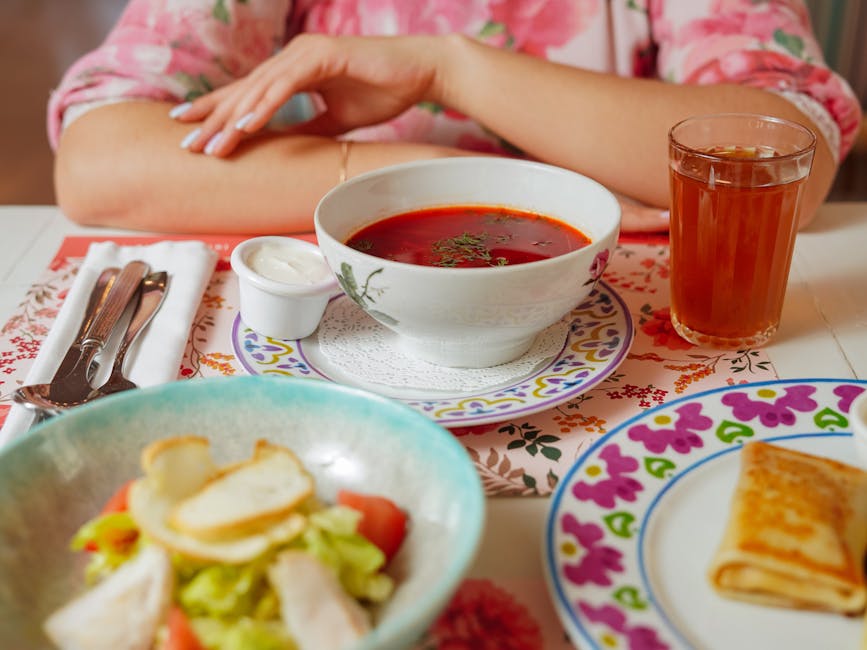
A proper Russian meal includes soup as the first course. Always. Skipping soup is a sign you're at a hotel buffet, not a real meal. The big nine:
- Borsch (Борщ) — beet soup with cabbage, carrots, potatoes, beef. Served with sour cream, dill, garlic-bread (pampushki). Ukrainian origin, universal in Russia.
- Shchi (Щи) — cabbage soup, the oldest Russian dish (9th century documentation). Lighter than borsch, served hot or cold.
- Solyanka (Солянка) — sour-salty mixed-meat soup with pickles, olives, lemon. Tangy and rich. Great hangover food.
- Rassolnik (Рассольник) — pickled-cucumber and pearl-barley soup with offal. Sounds weird, is delicious.
- Ukha (Уха) — clear fish soup. The northwest version uses salmon or cod; Siberian uses pike or perch. Light, aromatic.
- Okroshka (Окрошка) — cold summer soup made with kvas (the drink) and raw vegetables. Strange and refreshing in July.
- Harcho (Харчо) — Georgian spicy beef-and-rice soup with walnuts. Available everywhere in Russia.
- Svekolnik (Свекольник) — cold beet soup, cousin of borsch. Served in summer only.
- Gorohoviy (Гороховый) — split-pea soup with smoked ribs. Winter classic.
5. Main Courses You'll Actually Order
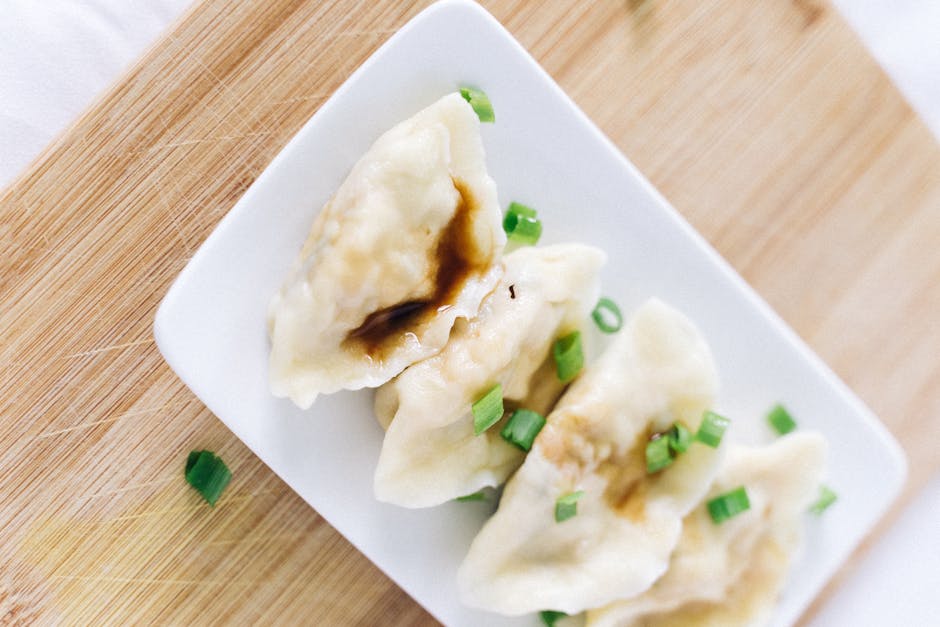
- Pelmeni (Пельмени) — small boiled meat dumplings. Traditionally beef-pork mix. Eaten with sour cream, butter, or vinegar. Siberian origin.
- Beef Stroganoff (Бефстроганов) — thinly sliced beef in mushroom-sour-cream sauce over pasta or mashed potatoes. Imperial-era invention, still ubiquitous.
- Golubtsi (Голубцы) — cabbage rolls stuffed with meat and rice in tomato-sour-cream sauce.
- Kotleti (Котлеты) — minced meat patties, not to be confused with hamburgers. Usually served with mashed potatoes and a fried egg.
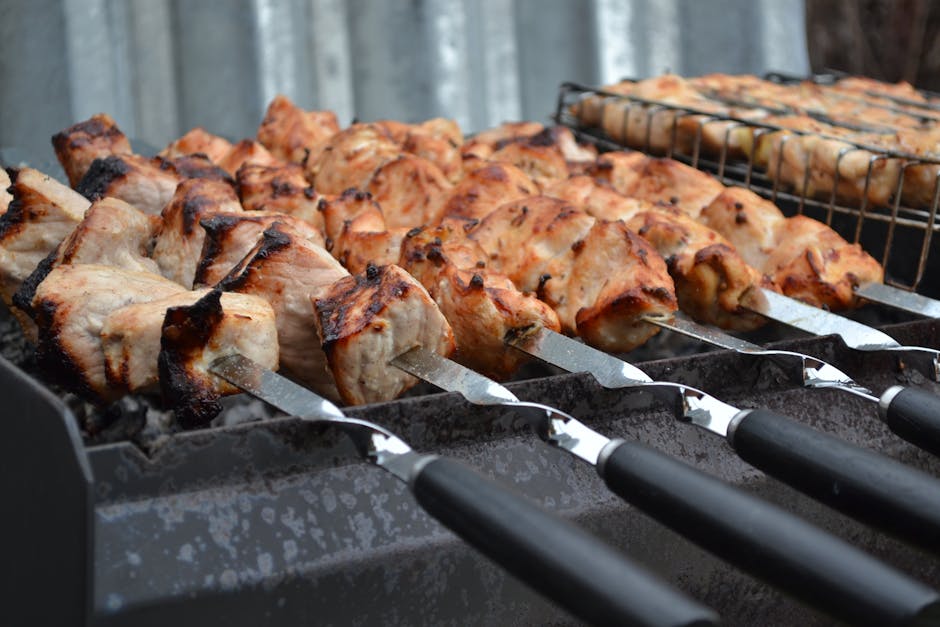
- Shashlik (Шашлык) — marinated grilled meat skewers, usually pork, lamb, or chicken. Caucasus origin but Russia's go-to summer food.
- Pozharskaya kotleta (Пожарская котлета) — breaded chicken patty, Russian answer to chicken cordon bleu.
- Chicken Kiev (Котлета по-киевски) — chicken breast stuffed with garlic-herb butter. Actually Ukrainian but absolutely on every Russian menu.
- Zharkoye (Жаркое) — slow-roasted meat-and-vegetable stew, often in a clay pot.
6. Salads: The Strange Ones
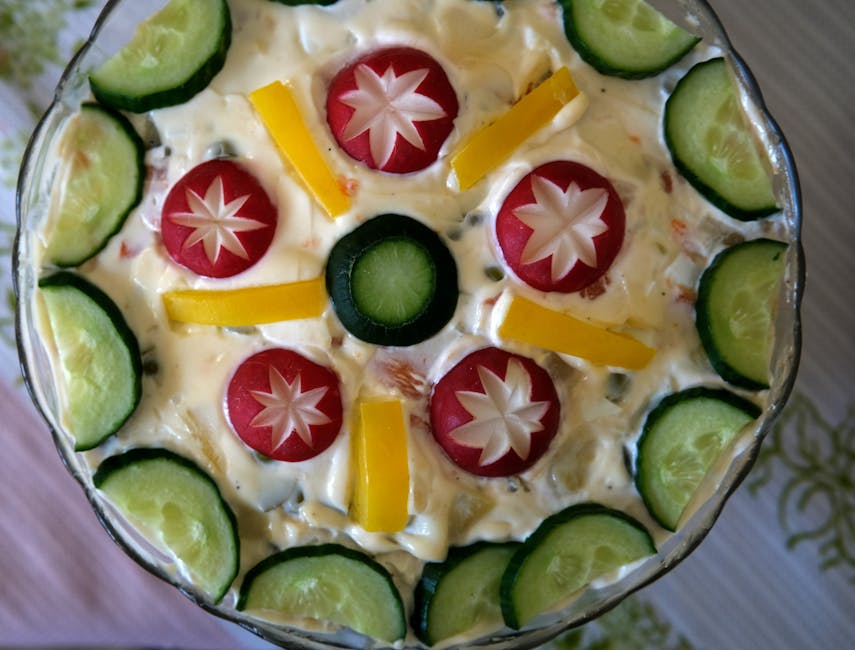
Russian salads are not leafy. They are heavy, mayonnaise-based, and usually assembled in layers. They are also surprisingly good.
- Olivier (Оливье) — diced potatoes, carrots, peas, pickles, meat, boiled eggs, bound with mayonnaise. The Russian New Year table without Olivier is not a Russian New Year table.
- Herring Under a Fur Coat (Селёдка под шубой) — layered salad: pickled herring, onion, grated boiled potato, carrot, beet, mayonnaise. Shocking pink on the plate. Delicious.
- Vinegret (Винегрет) — beet, carrot, potato, pickle, onion. Oil-based (the one without mayo). The Russian cuisine's vegan salad by default.
- Mimosa (Мимоза) — layered tinned-fish salad topped with grated egg yolk (which looks like mimosa flowers).
7. Breakfast: Sweet, Dairy-Heavy, Comforting
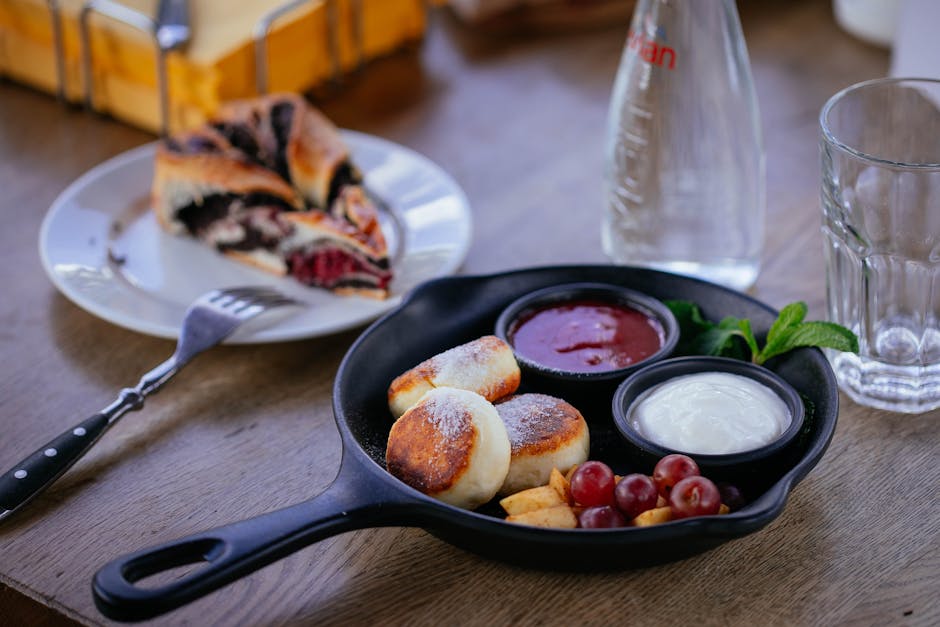
Russian breakfast is the best meal of the day and most hotel buffets do it well. Look for:
- Syrniki (Сырники) — fried quark-cheese pancakes, served with sour cream and jam. Mandatory.
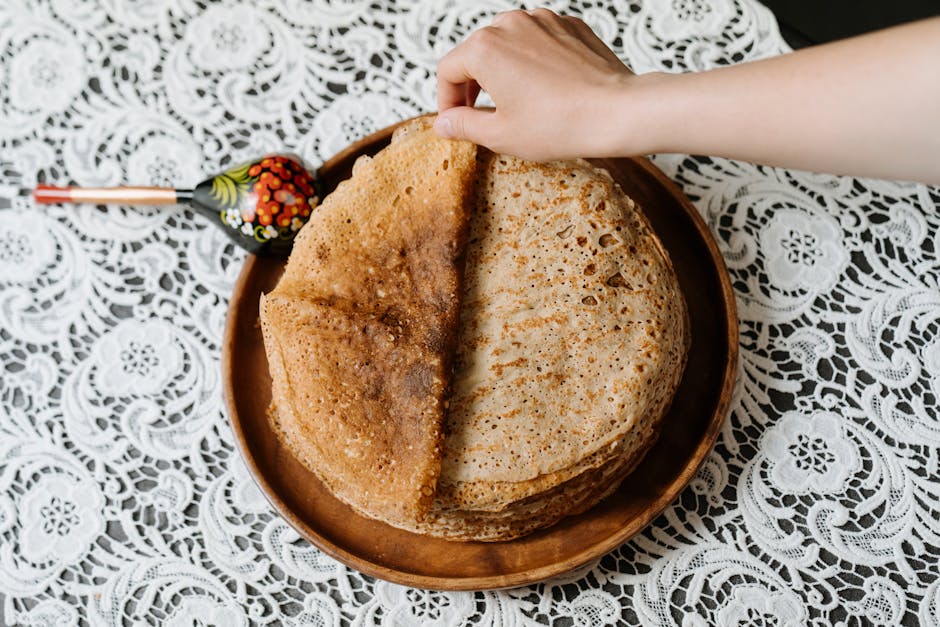
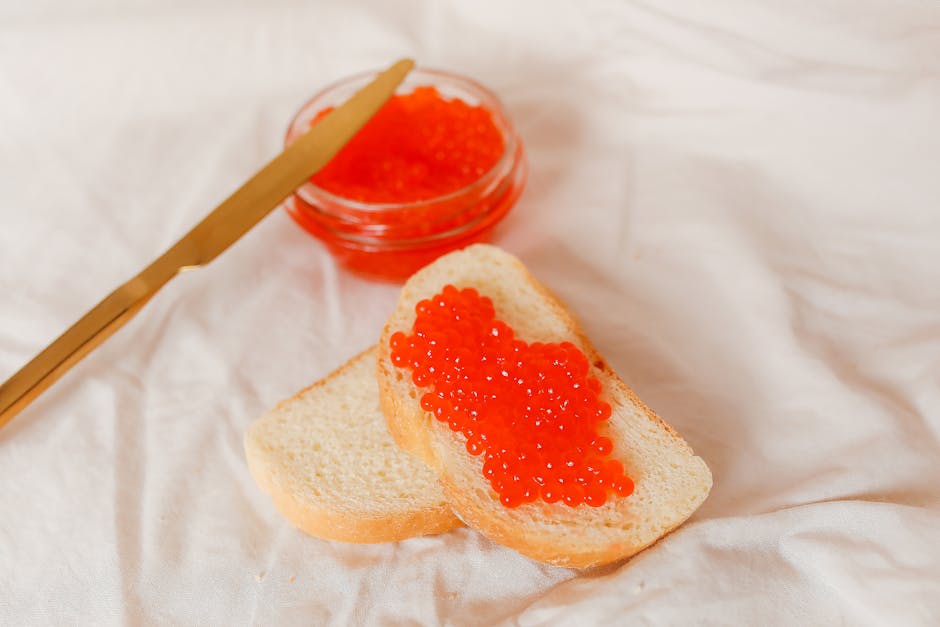
- Blini (Блины) — thin pancakes. Sweet fillings: condensed milk, jam, honey. Savory: salmon, red caviar, ham.
- Tvorog (Творог) — fresh curd cheese, eaten with sour cream, jam, or honey. Superior protein breakfast.
- Kasha (Каша) — usually buckwheat (grechka), semolina (manka), or oatmeal (ovsyanka). Often with butter and milk.
- Oladushki (Оладьи) — small thick pancakes, fluffier than blini.
- Zapekanka (Запеканка) — baked tvorog pudding with raisins, served warm.
- Buterbrody (Бутерброды) — open sandwiches on dark bread: salmon, sprats, salami, caviar.
8. Street Food and Quick Bites
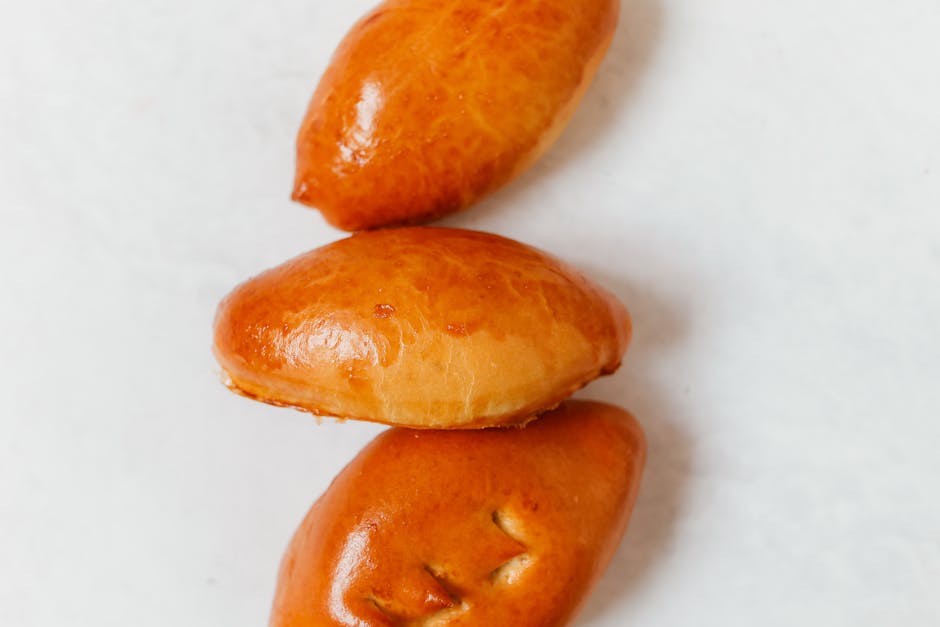
- Pirozhki (Пирожки) — hand pies, fried or baked. Common fillings: meat, cabbage, potato, mushroom, egg-and-onion, apple. $1–2 from street stalls, $3–5 in cafes.
- Cheburek (Чебурек) — large crescent-shaped fried dough pocket, usually filled with spiced ground meat. Crimean Tatar origin.
- Shaurma (Шаурма) — Russian spelling of shawarma. Ubiquitous on Moscow street corners. $3–5.
- Belyashi (Беляши) — fried dough rounds with meat filling, open on top. Bashkir origin.
- Sushki (Сушки) — small hard ring-shaped breads, eaten with tea. Sold in big bags.
9. Sweets and Desserts
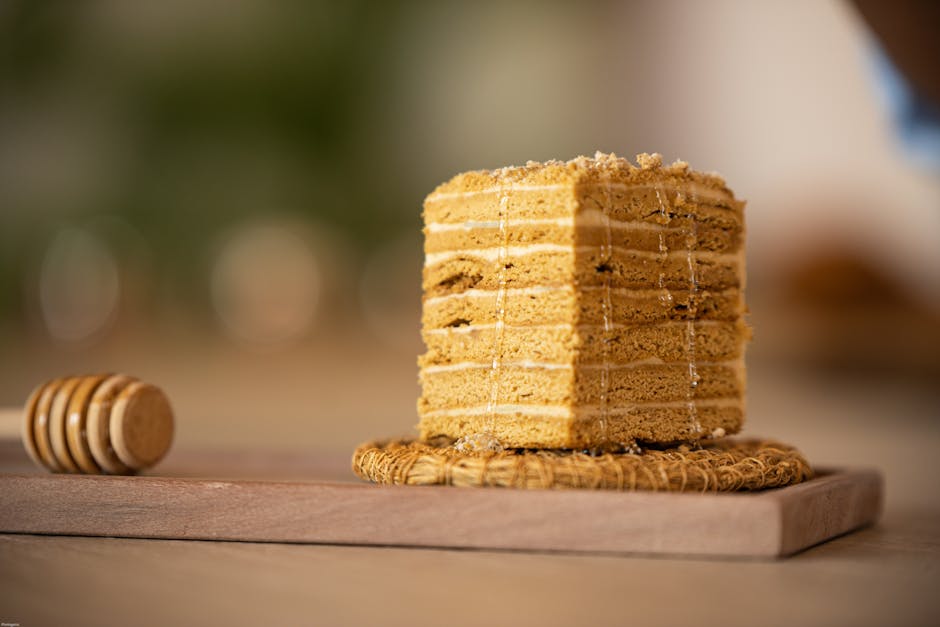
- Medovik (Медовик) — layered honey cake with sour-cream filling. Tall, airy, the default Russian birthday cake.
- Napoleon (Наполеон) — puff-pastry mille-feuille with custard. Named after the hat, not the man. Rich.
- Ptichye Moloko (Птичье молоко) — "Bird's Milk" — chocolate-covered souffle cake. Soviet-era.
- Pryaniki (Пряники) — honey-spice cookies, often with jam filling or frosting. Tula is the famous source city.
- Varenye (Варенье) — whole-fruit preserves (raspberry, cherry, strawberry). Eaten with tea, not on bread.
- Zefir (Зефир) — Russian marshmallow, fruit-based, firmer than American marshmallow.
10. Drinks: From Kvas to Vodka
- Tea (Чай) — black tea, strong, served with sugar, lemon, or jam-on-the-side. Never milk. A proper samovar ceremony is rare but available at traditional restaurants.
- Kvas (Квас) — fermented bread drink. Mildly alcoholic (~0.5%), tangy, dark. Sold in plastic bottles or from tank-trucks in summer.
- Mors (Морс) — cranberry or lingonberry cold drink. Tart, refreshing.
- Kompot (Компот) — sweet stewed-fruit drink, served cold. The default non-alcoholic option at canteens.
- Kisel (Кисель) — thick fruit-starch drink, somewhere between a drink and a soft pudding.
- Vodka (Водка) — obvious. Drunk in shots with food (not before it), never sipped. Good Russian vodka brands: Russian Standard, Beluga, Belenkaya.
- Nastoika (Настойка) — infused vodka with fruit or herbs: horseradish, cranberry, cedar nut. 40% ABV.
- Medovukha (Медовуха) — honey mead, traditional, making a comeback.
11. Where to Eat in Moscow (with 2026 Prices)
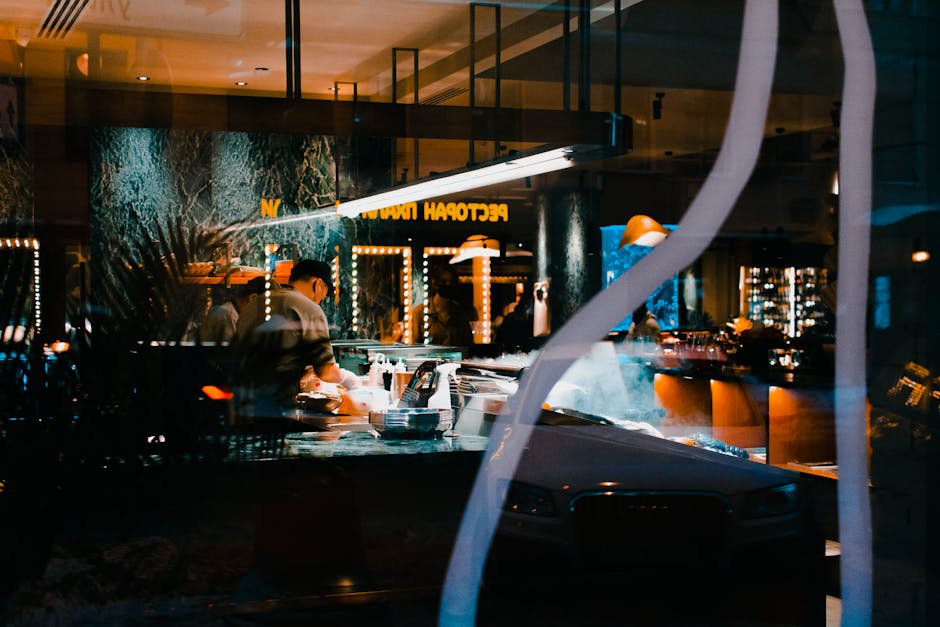
Moscow has more restaurants per capita than most European capitals and the quality range is enormous. Pick by tier:
Budget ($5–15 per person)
- Stolovaya Копейка — Soviet-canteen-style chain. Point at dishes through glass, pay, sit. Full lunch $5–8. Multiple locations.
- Varenichnaya No. 1 (Вареничная №1) — specializes in vareniki and pelmeni. Soviet theme, great prices. $10–15 for a full meal.
- Grabli (Грабли) — cafeteria-style chain with better quality than typical canteens. $8–12.
Mid-range ($25–45 per person)
- Dr Zhivago (Доктор Живаго) — near Red Square, theatrical Soviet-revival setting. Reliable menu of classics. $30–40.
- Café Pushkin (Lower Floor) (Кафе Пушкин) — the famous 19th-century-pharmacy-themed restaurant has an affordable ground-floor cafe. $35–50.
- Korchma Taras Bulba — Ukrainian-Russian chain, rustic vibes. $20–35.
Upper mid ($60–120 per person)
- Café Pushkin (Library Hall) — the real Pushkin experience, full menu. $80–120 with wine.
- CDL (Central House of Writers) — historic literary club, classic Russian menu. $70–100.
- Savva Restaurant (Metropol Hotel) — old-school grandeur, good game and fish. $100–150.
Fine dining ($150–300 per person)
- Twins Garden — Mikhail and Sergey Berezutskiy. Farm-to-table tasting menu using their own farm. On World's 50 Best. Tasting menu $220.
- White Rabbit — Vladimir Mukhin. Rooftop in Smolenskaya, panoramic view of Moscow. Modern Russian. $180–250.
- Savva by Andrey Shmakov — concept menu, seasonal. $150–200.
- Selfie — avant-garde Russian cuisine, molecular-ish. $160–220.
12. Where to Eat in St. Petersburg
Budget ($5–15)
- Stolovaya No. 1 "Kopeika" — the gold standard SPb canteen. Full meal $6–10. Multiple locations, biggest one on Bolshaya Konyushennaya.
- Teremok (Теремок) — chain specializing in blini. $5–10. Pick your fillings at the counter.
Mid-range ($25–45)
- Gogol (Гоголь) — on Malaya Morskaya, classic Russian in a 19th-century setting. $30–40.
- Stroganoff Steak House — yes, they invented the dish. Multiple locations. $30–50.
- Moskva (Москва) — panoramic view of Nevsky Prospekt from the top floor of the Zinger Building. $35–55.
Upper mid ($60–120)
- Palkin (Палкин) — reopened historic 1785 restaurant on Nevsky. Imperial-era atmosphere. $80–120.
- 1913 — named after the last full pre-revolutionary year. Classic menu. $60–100.
Fine dining ($150–280)
- CoCoCo — modern Russian by chef Igor Grishechkin. "Grandmother's recipes reimagined." Tasting menu $180.
- Duo Asia & Duo Gastrobar — concept restaurants by Duo group, seasonal Russian+Asian fusion. $120–180.
- Birch — fine-dining Russian with a Nordic touch. $150–250.
13. Dietary Options: Vegetarian, Halal, Gluten-Free
Vegetarian and Vegan
Russian Orthodox Christianity observes multiple fasting periods totaling roughly 200 days per year, during which meat, dairy, eggs, and fish are all forbidden. As a result, traditional Russian cuisine has a huge vegan repertoire. Any old Russian cookbook has a "Lenten" (Postnyy) section.
What to order:
- Mushroom soup (Грибной суп)
- Vinegret salad (vegan by default)
- Pirozhki with cabbage, potato, or mushroom
- Kasha with mushrooms or vegetables
- Vareniki with potato or cabbage (Lent version)
- Blini with jam, honey, or fruit
Dedicated vegan restaurants in Moscow: Avocado Queen, Fruits & Veges, Ukrop. In St. Petersburg: Ukrop (chain), Rada, Troitsky Most.
Halal
Moscow has the largest Muslim population of any European capital and halal food is easy to find. The Cathedral Mosque neighborhood has dozens of halal restaurants. Chain recommendations: Khinkalnaya and Chaykhona No. 1 (not every branch, ask). In Kazan (Tatarstan), essentially every restaurant is halal by default.
Gluten-Free
Harder. Bread is central to Russian cuisine. Rice and buckwheat dishes are safe. Most soups are gluten-free (check the thickener). Dumplings, bread, blini, kasha (except buckwheat), and most desserts contain wheat. Moscow's fine-dining restaurants can accommodate with notice (24-hour advance for tasting menus).
Kosher
Moscow has a kosher community and certified restaurants. The main ones: Jerusalem (kosher, glatt), King David (kosher), and the Moscow Jewish Community Center's kosher cafe.
14. Ordering in Russian: Mini-Phrasebook
| English | Russian | Phonetic |
|---|---|---|
| Menu, please | Меню, пожалуйста | men-YOO pa-ZHAL-sta |
| Do you have English menu? | Есть меню на английском? | yest men-YOO na an-GLEES-kom |
| I'd like... | Я буду... | ya BOO-doo |
| Without meat | Без мяса | BEZ MYA-sa |
| Vegetarian | Вегетарианский | veg-eh-tar-ee-AN-skii |
| I'm allergic to... | У меня аллергия на... | oo men-YA al-LER-gee-ya na |
| Check, please | Счёт, пожалуйста | shchYOT pa-ZHAL-sta |
| Tasty / Delicious | Вкусно | VKOOS-na |
| Thank you | Спасибо | spa-SEE-ba |
| Cheers | За здоровье | za zda-RO-vye |
Tipping: 10% in sit-down restaurants is standard; not expected in canteens. Many places now add a 10% service charge automatically — check the bill.
15. Food Tours and Culinary Experiences
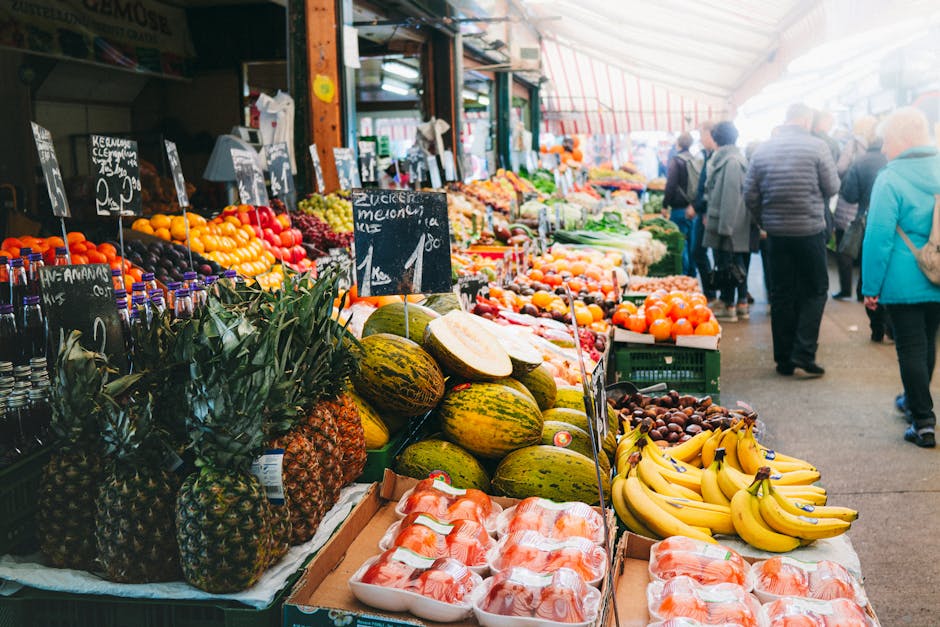
If you want a structured introduction, food tours in Moscow and St. Petersburg have expanded significantly since 2023. In 2026 the most common options:
- Danilovsky Market food tour (Moscow) — 3-hour walk through Moscow's most famous covered market with tastings across 8–10 stalls. $40–60 per person. Book through local operators.
- Soviet-era canteen tour (Moscow) — 3 stolovayas in one afternoon with explanations of the USSR food system. $35–50.
- Vodka & snacks masterclass — private class with tastings of 6–8 vodkas paired with traditional zakuski. $60–100 per person.
- Blini cooking class — at dedicated culinary studios in both capitals. 3 hours, $45–75 per person including ingredients.
- St. Petersburg Caviar and Champagne tasting — various formats, $80–150.
- Georgian wine tasting — 5–8 Georgian wines with pairings. Both cities, $50–90.
Planning a culinary trip to Russia?
Russian fine-dining restaurants book 6–8 weeks in advance during peak season. Fix the visa before you book Twins Garden. E-visas are valid for 64 nationalities and take up to 6 calendar days — but the official MFA portal crashes at peak hours and has limited error recovery. We file your application for a flat $29 on top of the $52 consular fee. Same processing time, done right.
Get your e-visaFrequently Asked Questions
Traditional Russian food centers on hearty dishes built to survive long winters: soups (borsch, shchi, solyanka), dumplings (pelmeni, vareniki), pancakes (blini), porridges (kasha), pickles, cured fish, dark rye bread, and mayonnaise-bound salads. The unofficial national dish is pelmeni — small meat dumplings served with sour cream.
The most popular dishes today are pelmeni, borsch, Olivier salad, buckwheat kasha, blini with various fillings, shashlik (grilled skewers), and shaurma (the Russian spelling of shawarma). In restaurants, most tourists try beef stroganoff or pelmeni first.
A typical Russian breakfast includes syrniki (sweet quark pancakes), tvorog with sour cream and jam, buckwheat or semolina kasha, blini with various fillings, or open sandwiches called buterbrody. Tea is the default drink; coffee comes second.
Pelmeni — small boiled dumplings filled with meat — are the closest thing to a national dish. Originally from Siberia, they are eaten across the country and considered the ultimate comfort food. Borsch, shchi, and blini are also regional candidates depending on where you ask.
No. Traditional Russian food is rarely spicy. Flavor comes from dill, parsley, garlic, sour cream, mustard, horseradish, pickled vegetables, and vinegar. Caucasian dishes on Russian menus (shashlik, kharcho, adjika) can be moderately spicy but are not core Russian cuisine.
Yes, and more than most travelers expect. Russian Orthodox fasting traditions (200+ days per year) produced an extensive vegetarian repertoire. Expect mushroom soups, vegetarian pirozhki, grain porridges, bean dishes, and pickled vegetables. Moscow and St. Petersburg also have dedicated vegan restaurants like Avocado Queen and Ukrop.
In 2026 expect $3–7 for a Soviet-style canteen lunch, $10–20 for a casual mid-range restaurant, $30–60 for a proper sit-down dinner with drinks, and $100–250 for fine dining. Twins Garden and White Rabbit tasting menus run $180–300 per person.
Moscow has dozens of halal restaurants around the Cathedral Mosque. Chains like Khinkalnaya and selected Chaykhona No. 1 branches are halal. In Kazan (Tatarstan), essentially every restaurant is halal by default — it is a Muslim-majority republic.